
Blog
Clean Factory vs VS Factory: How the Two Big Rolex Clone Builders Differ
If you have spent any time comparing high-end Rolex clones, you have already run into the same fork in the road: Clean Factory or VS Factory. Both build the same references, both sit at the top of the market, and both have loyal buyers who will tell you the other one gets something wrong. This article explains what each workshop is generally recognised for, where the two overlap, and how to choose without getting lost in version numbers.
What a “factory” actually is
The word is a little misleading. In this market a factory is usually an assembly and finishing operation: it commissions or produces cases, dials, hands, bracelets and crystals, buys or builds a movement, and then assembles and finishes the watch. Two workshops building the same reference can share an enormous number of components and still end up with noticeably different watches because of how they finish them and which movement they choose.
That is why “which factory” is a better question than “how many A’s”. The differences that matter are finishing consistency, movement choice, and how carefully the workshop iterates on each reference.
VS Factory: movement-led
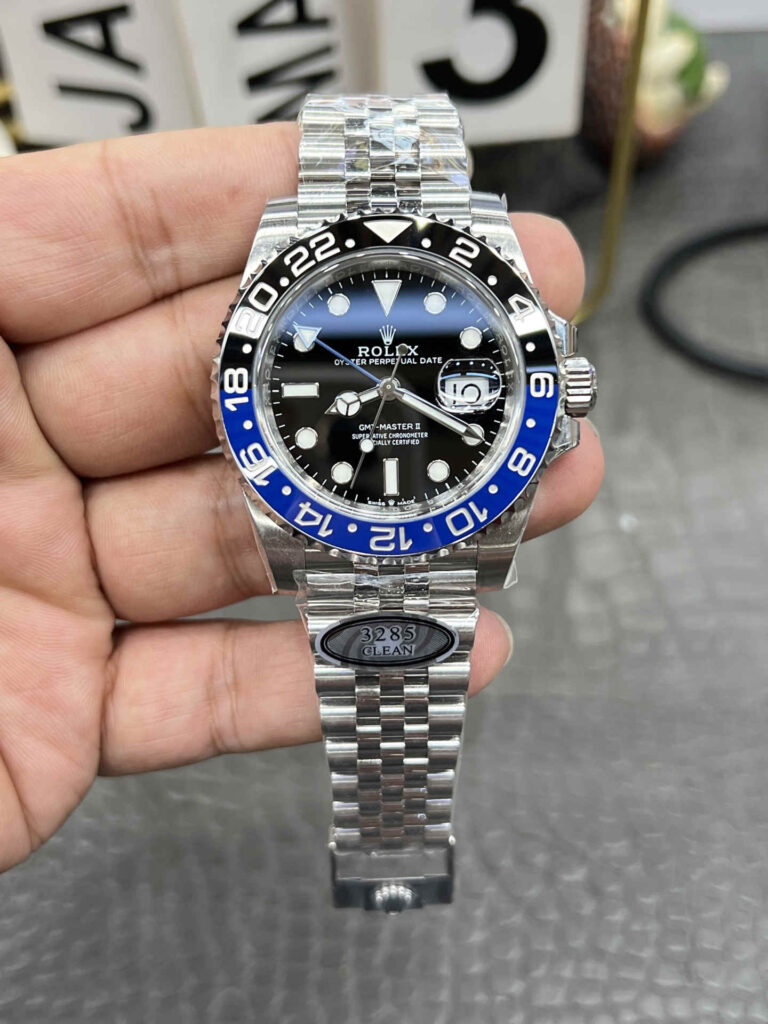
VS built its reputation on movements rather than cases. The clearest examples are the integrated GMT calibres and the family of Dandong-based automatic calibres it uses across the Datejust, Oyster Perpetual and Daytona lines. An integrated GMT movement with a true jumping local hour hand is a meaningfully different engineering proposition from a base movement with a decorative GMT module bolted on, and it is the single strongest reason buyers pick VS for GMT-Master II and Datejust models.
What buyers generally report about VS:
- Movement authenticity to the original architecture — correct bridge shapes, correct balance position, and in the GMT and Daytona lines a genuinely integrated design.
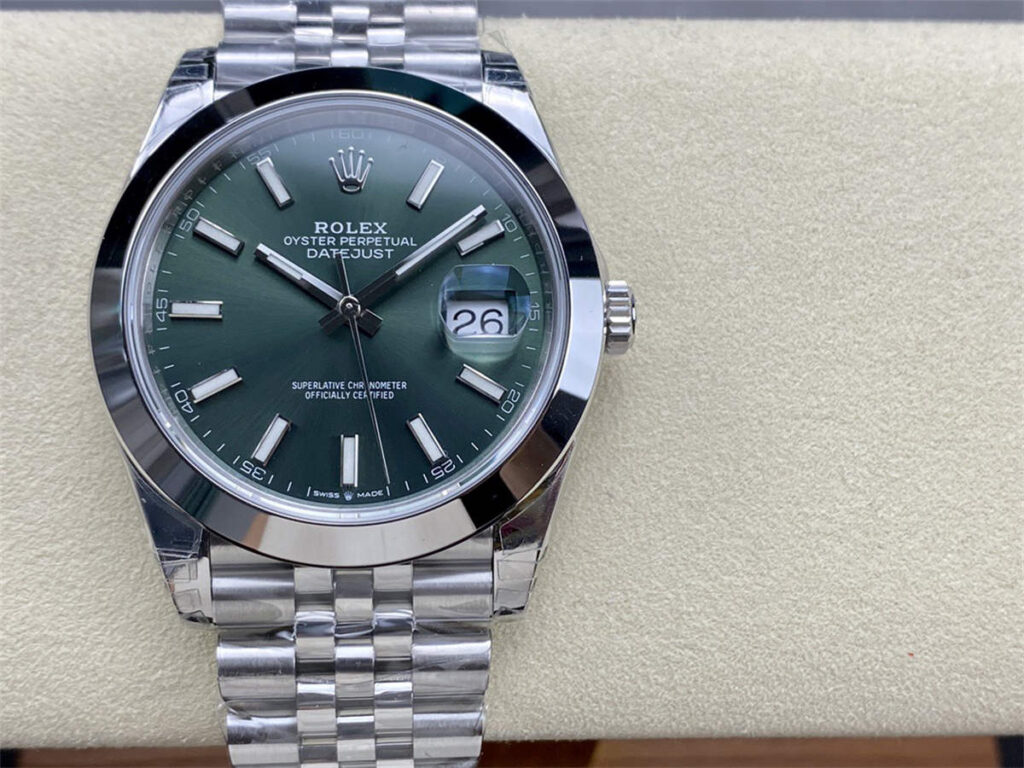
- Strong dress-watch execution — Datejust, Oyster Perpetual and Day-Date models where the dial and case are simpler and the movement is the differentiator.
- Iterative updates that focus on internal changes rather than cosmetic ones.
The common criticism is that the case and bracelet finishing on some VS sports models is a step behind the best case-led workshops, particularly on the sharper-edged references.
Clean Factory: case and dial-led
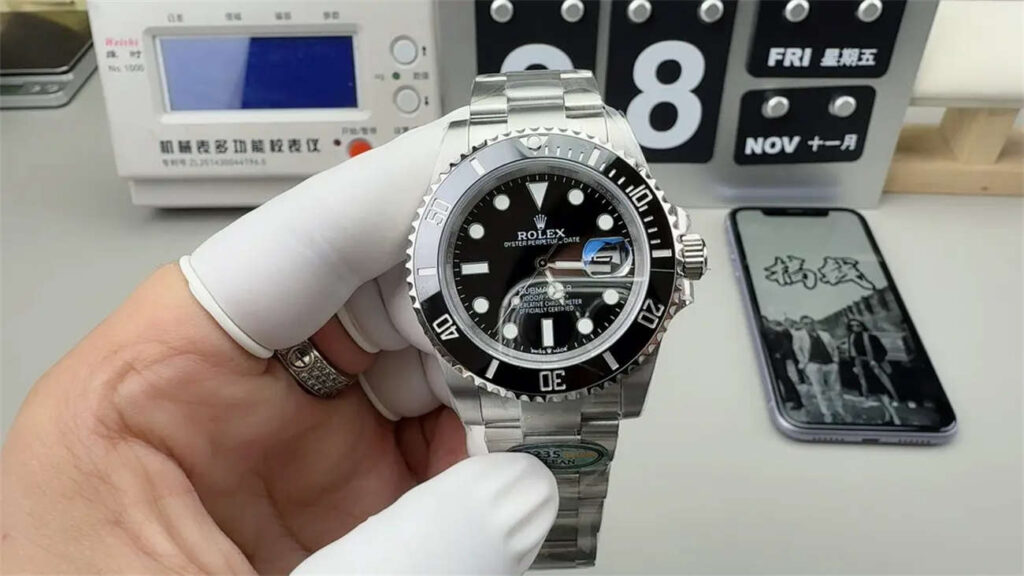
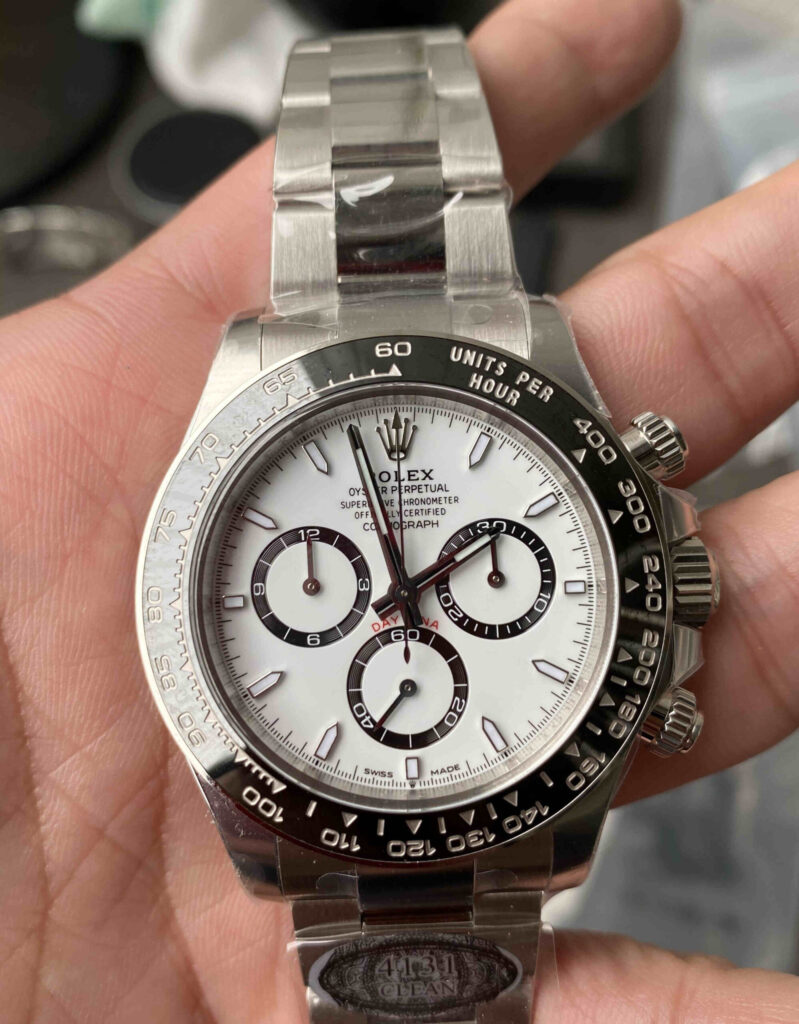
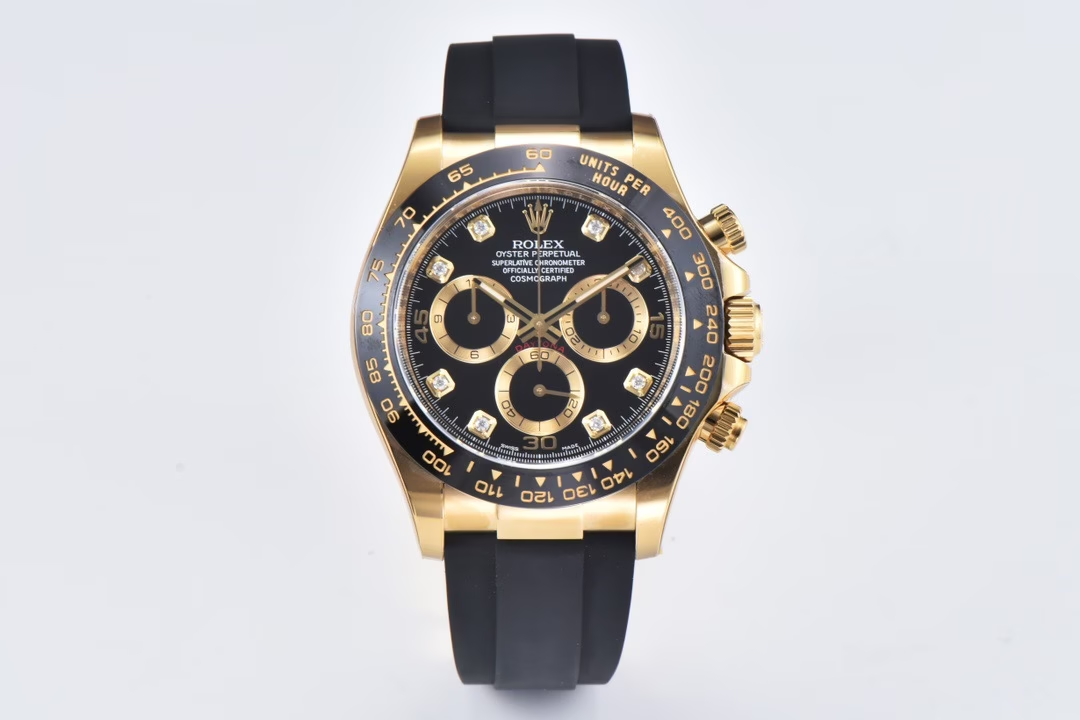
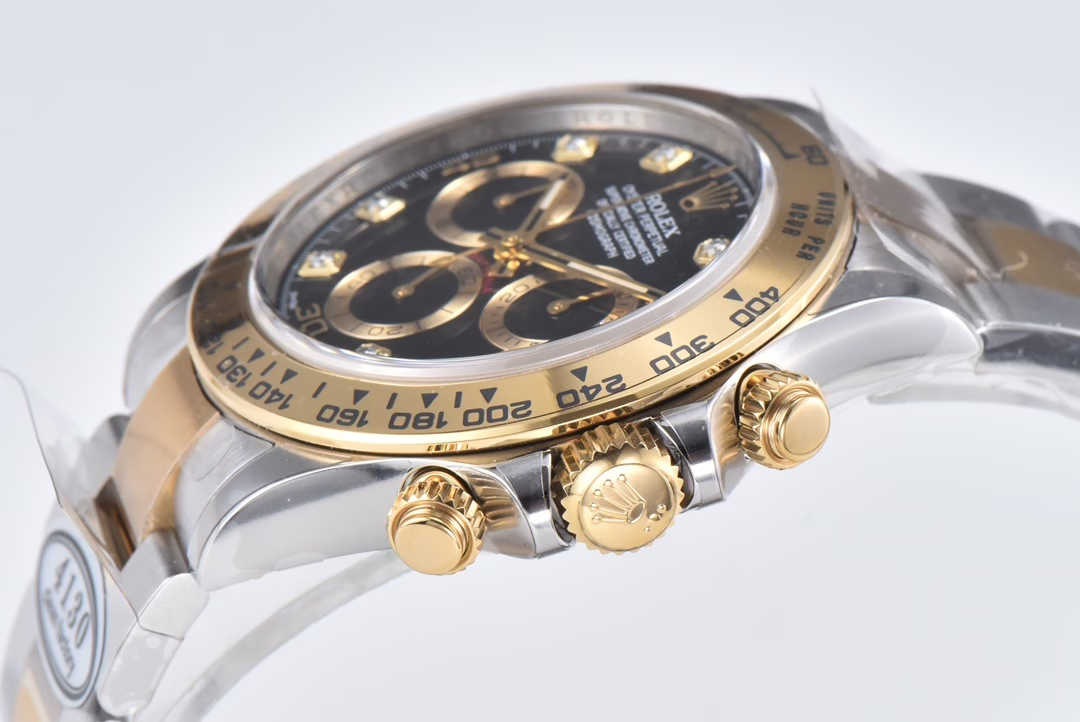
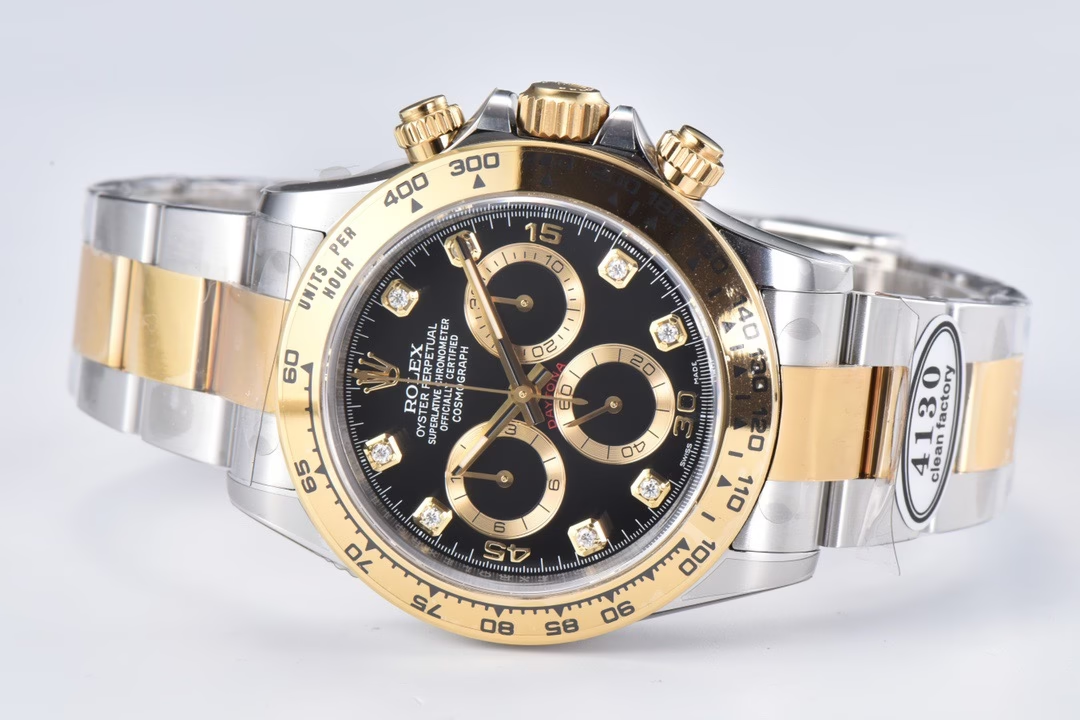
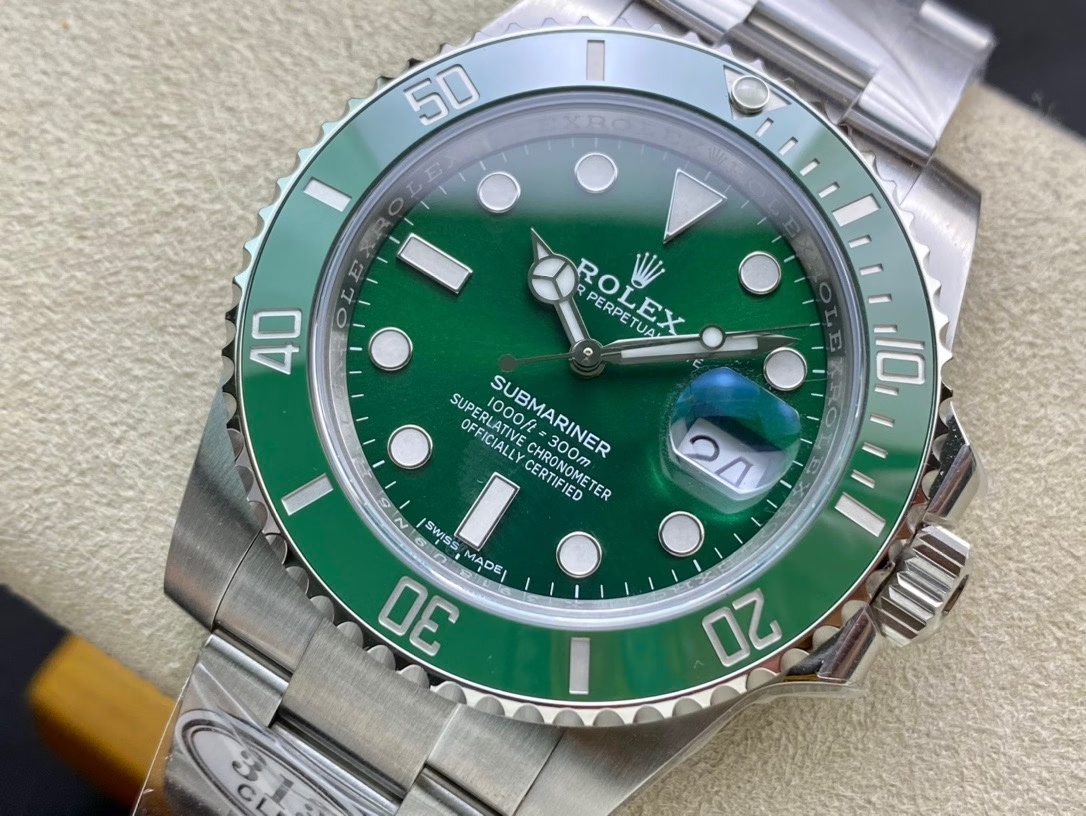
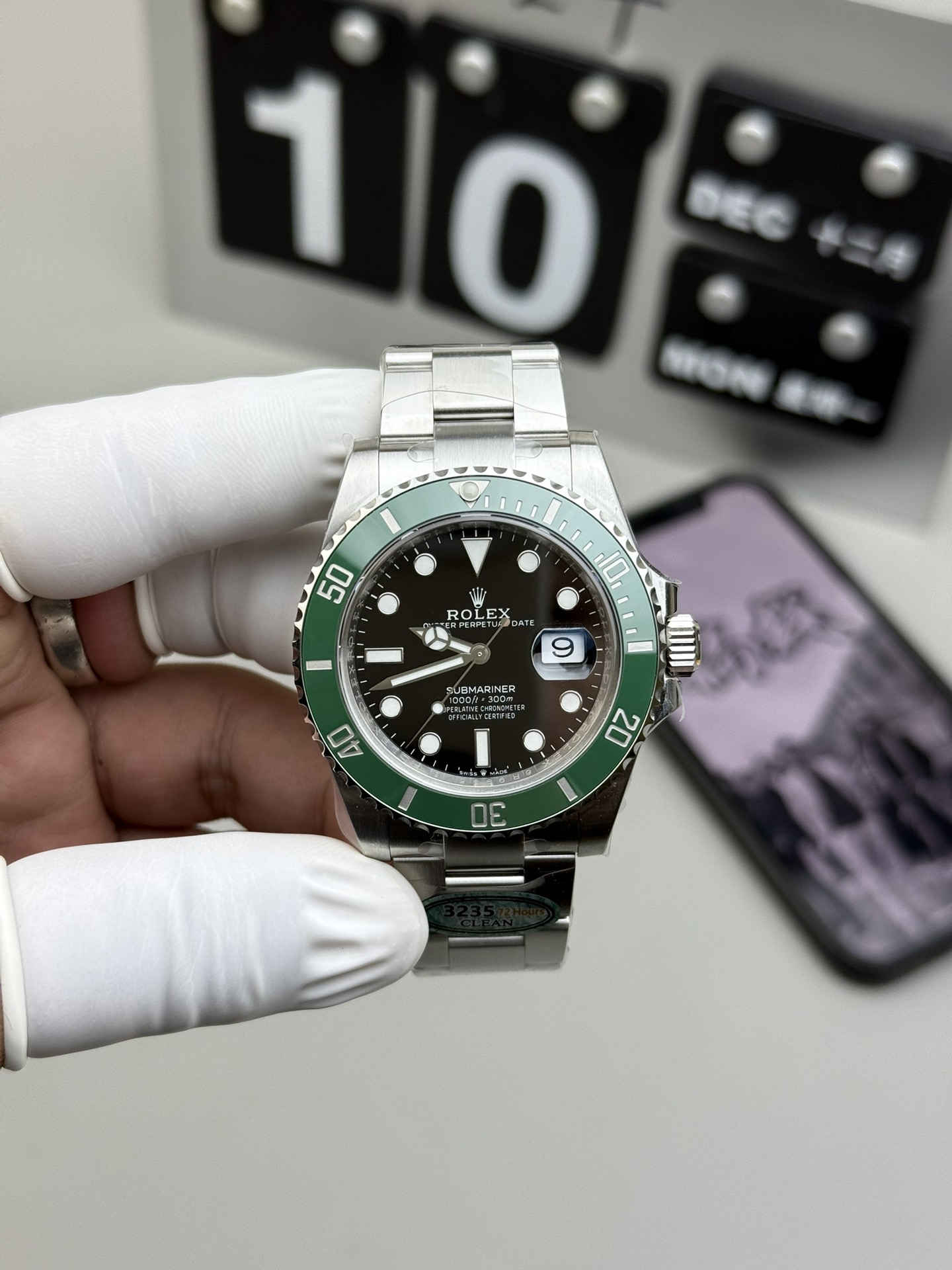
Clean came to prominence on the Rolex sports line — Submariner, GMT-Master II and Daytona — and the consensus reason is finishing. Clean’s strength has consistently been the parts you see and touch: bezel insert colour and numeral fill, dial texture and print, bracelet brushing and the polished bevel on the lugs.
What buyers generally report about Clean:
- Bezel work on ceramic inserts, especially two-tone inserts where colour transition and numeral depth are hard to get right.
- Case finishing with clean transitions between brushed and polished surfaces, and lug bevels that catch light the way the original does.
- Consistent bracelet feel — solid end links, correct taper, and a clasp that closes with the right amount of resistance.
- Frequent version updates, which is a double-edged sword: quality improves, but the version suffixes get confusing.
The usual criticism of Clean is on the movement side: buyers sometimes feel the calibre inside is a generation behind what VS fits to the same reference.
Where they overlap
For a steel Submariner or a GMT-Master II, both workshops now produce watches that pass a close visual inspection. The honest summary is:
| If you care most about… | Look at |
|---|---|
| Movement architecture, GMT function, dress references | VS Factory |
| Bezel and dial accuracy, bracelet finishing, sports models | Clean Factory |
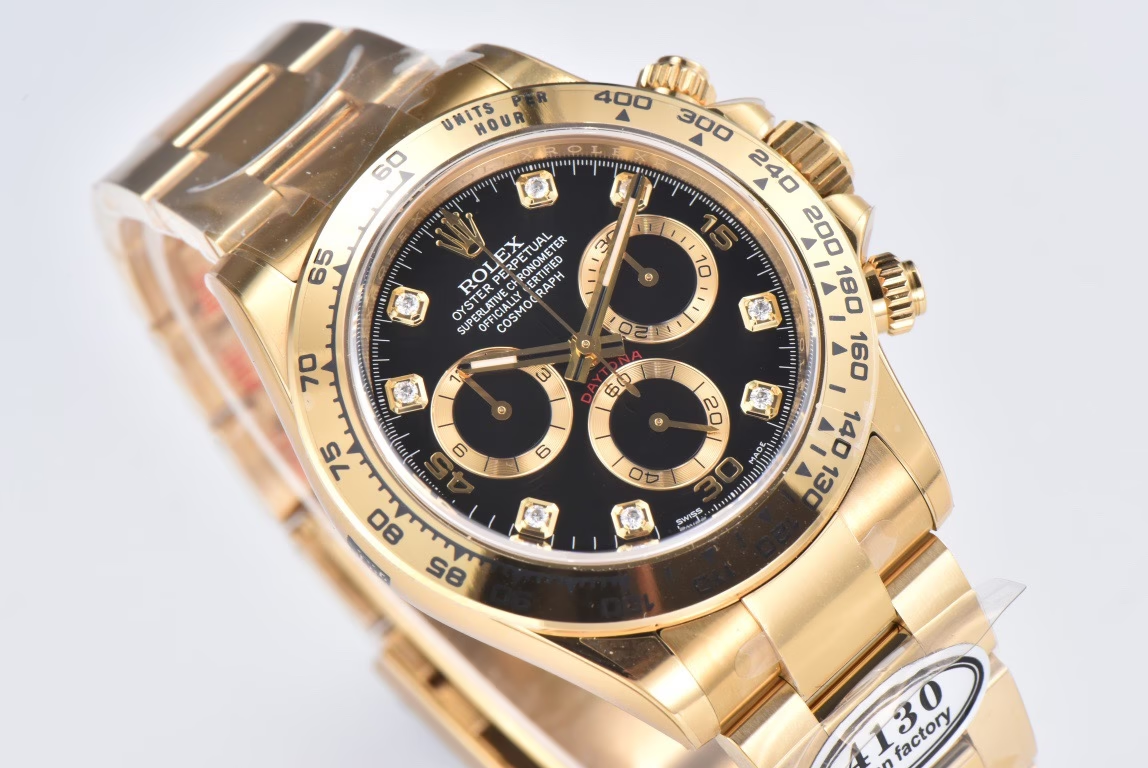
| Daytona chronograph | Both — compare the specific version |
| Datejust / Oyster Perpetual | VS Factory |
| Submariner / GMT two-tone | Clean Factory |
How to choose without over-thinking it
Pick by the reference first, then by what that specific version does better. Version numbers matter more than the factory name: a fourth-generation build from either workshop will usually beat a first-generation build from the other. When you are comparing two listings, compare them like this:
- Same reference, same generation — otherwise you are not comparing factories, you are comparing release dates.
- Bezel insert — colour under natural light, numeral fill depth, and how sharply the transition between colours is cut on two-tone inserts.
- Dial print and texture — text weight, spacing, and whether a textured dial reads as three-dimensional rather than stamped.
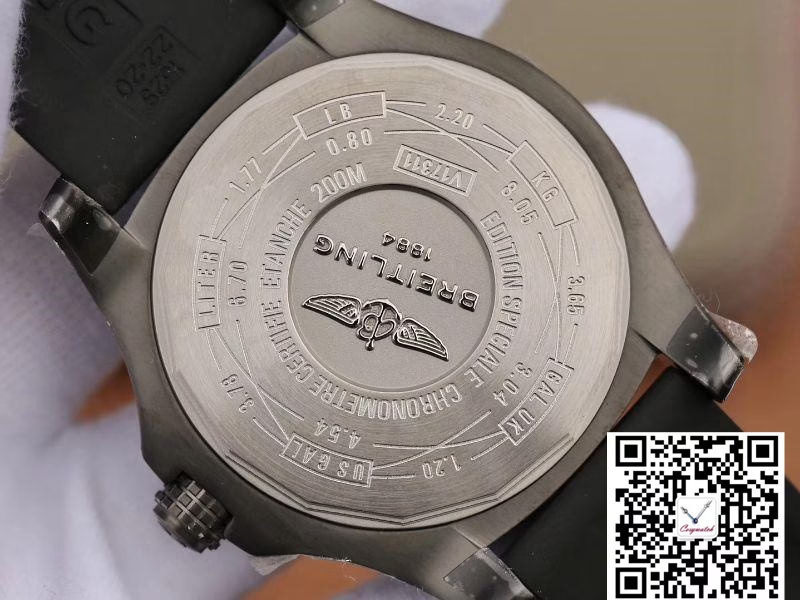
- Case side profile — the bevel should follow the lug without washing out, and the caseback should sit flat.
- Movement, if it will be shown to you — ask which calibre is fitted and whether it is a cloned architecture or a base movement with decorations.
The practical answer
Most buyers end up with a mix. A movement-led choice for complications and dress references, a finishing-led choice for the sports models they wear most. That is not fence-sitting; it is matching the workshop’s strength to the reference you actually want.
You can browse both directions in our catalogue: the Submariner collection and Daytona collection show the finishing-led side, while the Datejust and GMT-Master II ranges show what the movement-led approach buys you.
Whatever you choose, ask for QC photos and a timegrapher reading before the watch ships. On a watch at this level, the individual example in front of you matters more than the badge on the listing.