
Blog
Daytona 126500LN vs 116500LN: What Actually Changed on the Wrist
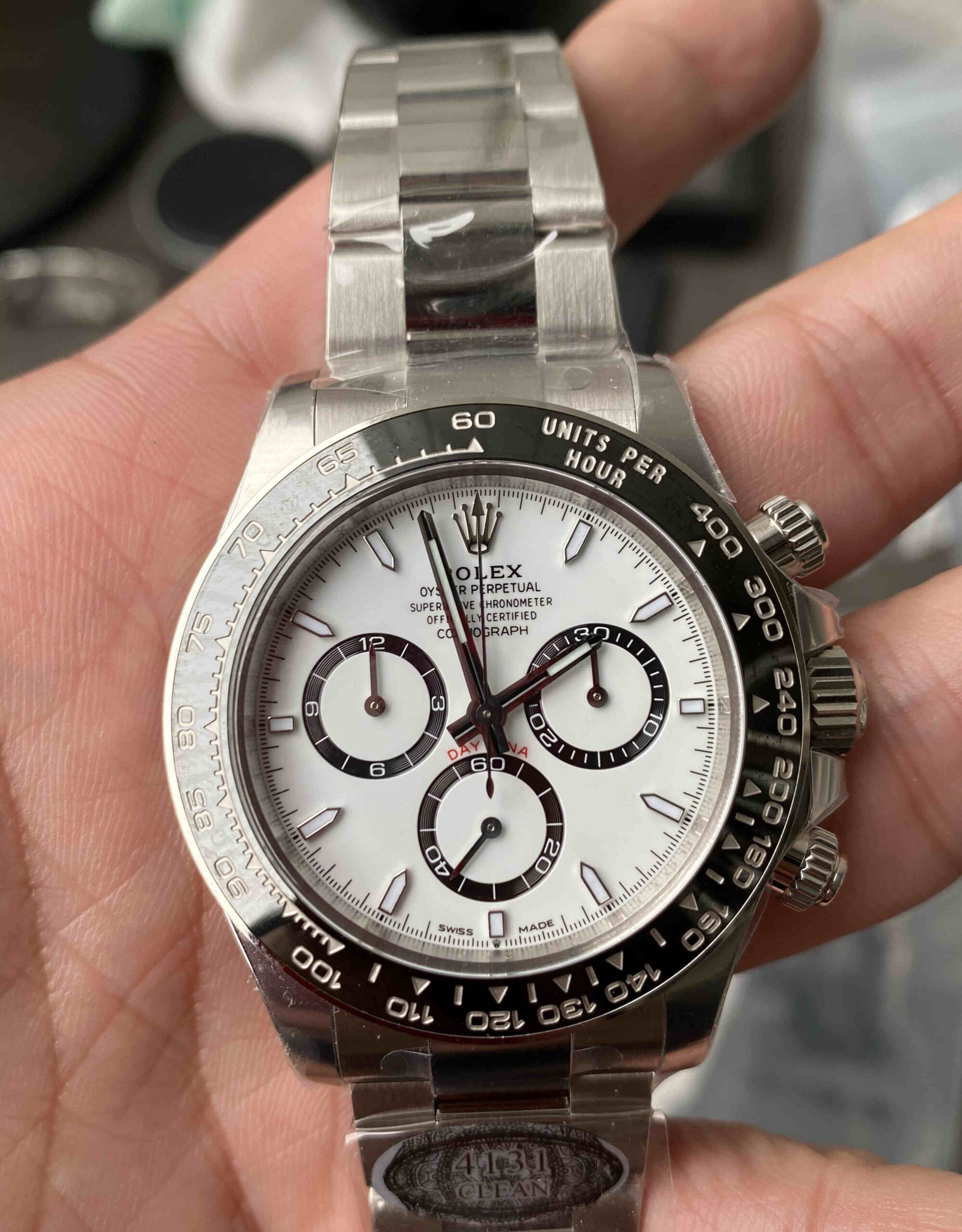
The Daytona spent decades as the hardest watch in the catalogue to buy and the easiest to recognise. The steel ceramic-bezel reference 116500LN defined the modern Daytona from 2016, and in 2023 it was replaced by the 126500LN. The new reference looks similar in photographs and noticeably different in the hand, and the changes are worth understanding before you decide which generation to go for.
Side by side
| 116500LN | 126500LN | |
|---|---|---|
| Introduced | 2016 | 2023 |
| Case size | 40 mm | 40 mm |
| Case profile | Fuller lugs, deeper flanks | Slimmer lugs and case sides |
| Calibre | 4130 | 4131 |
| Power reserve | ~72 hours | ~72 hours |
| Bezel | Cerachrom tachymeter insert | Cerachrom insert with a thin metal ring at the outer edge |
| Water resistance | 100 m | 100 m |
| Dial options | White or black | White or black |
| Pushers | Screw-down | Screw-down |
Movement: 4130 to 4131
The 4130 was already one of the most respected automatic chronograph calibres in production: a column-wheel design with a vertical clutch, which is why the chronograph can be started and stopped without the seconds hand jumping. The 4131 keeps that architecture and changes the parts around it — most importantly the escapement, which moves to the same family used across the modern Rolex line, along with a revised gear train and a redesigned rotor bearing.
In daily use the two movements feel nearly identical. The chronograph starts cleanly on both, the pushers have the same short, positive travel, and both will run for around three days from a full wind. The 4131 is the more modern engineering, but nobody buys a Daytona because of the escapement.
Case and bezel: where you can actually see the difference
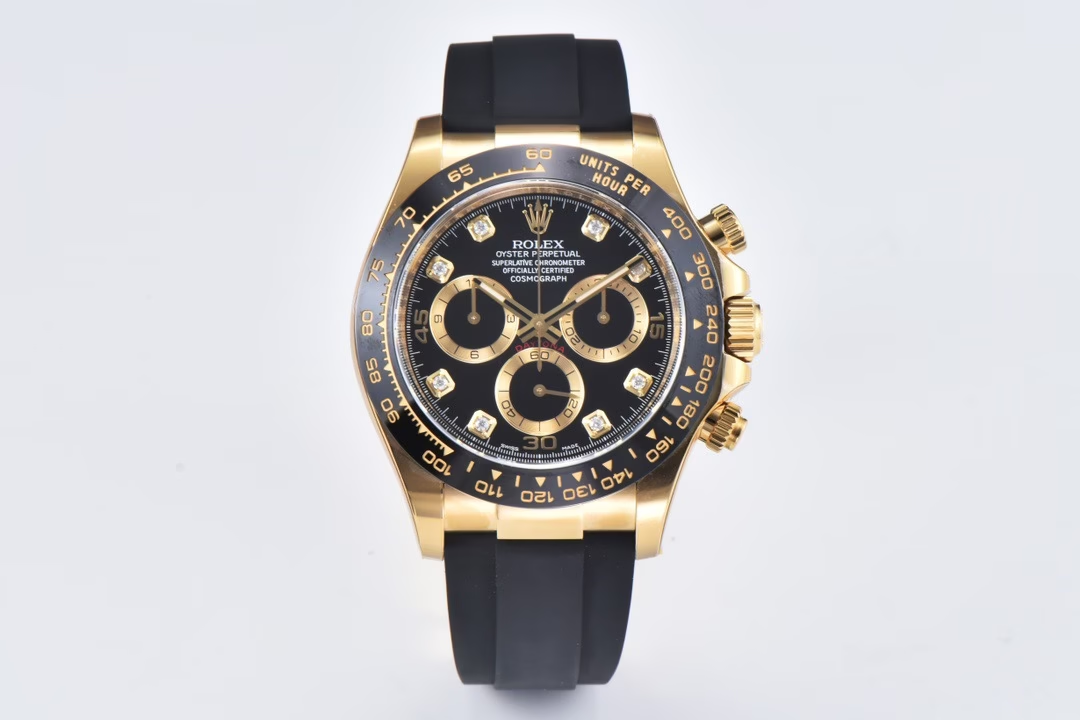
The 126500LN narrows the lugs and the case flanks, which makes the watch sit a little lower and the bracelet transition into the case more smoothly. Put the two side by side and the newer reference reads as slightly leaner; on the wrist the difference is subtle but real.
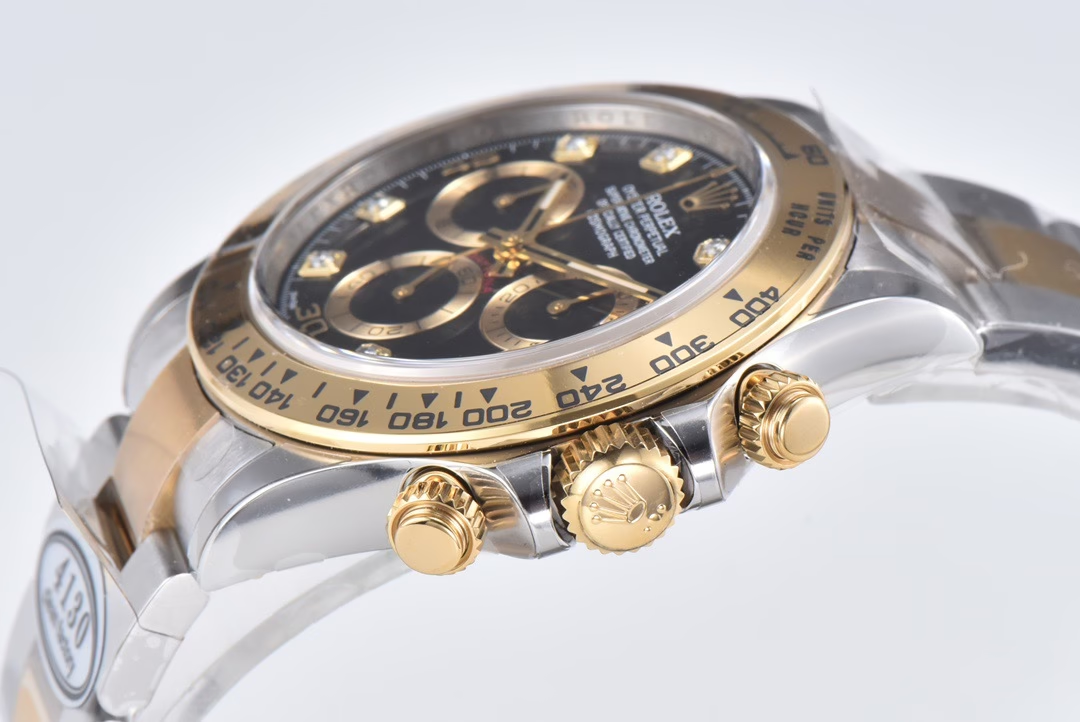
The bezel change is easier to spot. The newer ceramic insert is framed by a thin polished metal ring at its outer edge. It is a small detail, and it changes how the bezel catches light — the ceramic no longer runs straight off the edge of the bezel into the case.
Everything structural is unchanged: 40 mm, 100 metres of water resistance, a screw-down crown, and screw-down pushers that must be unscrewed before the chronograph is used. That last point catches out a lot of new owners — the pushers will not depress until they are unscrewed.
The dials
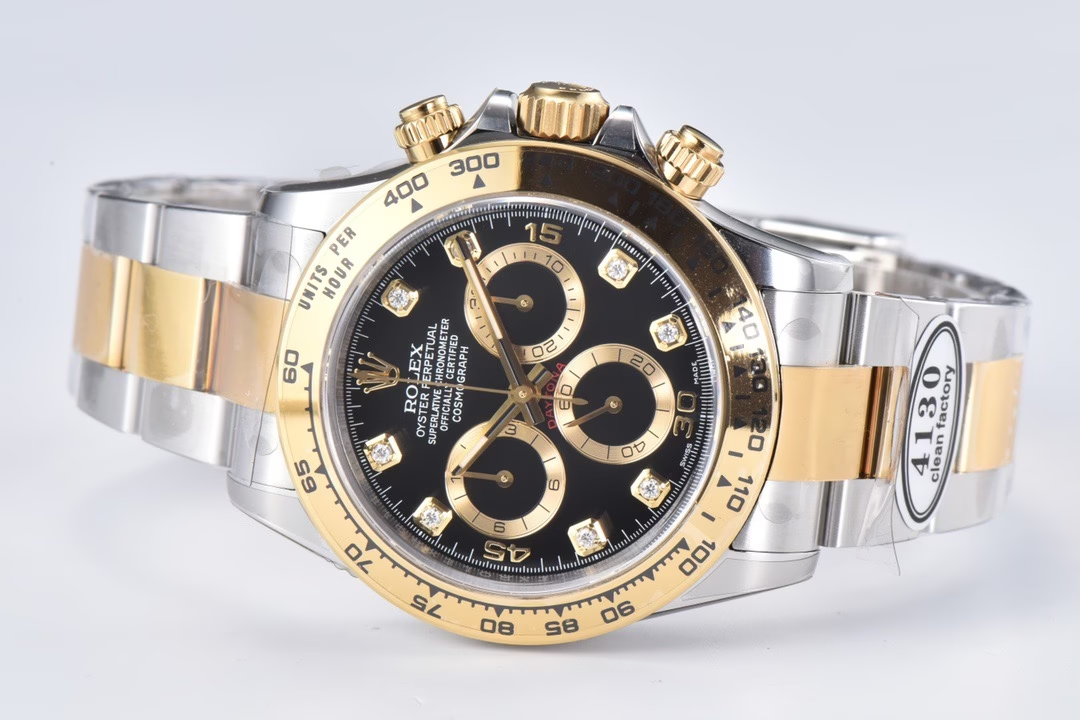
Both generations offer the white dial with black sub-dials and the black dial with silver sub-dials. The older combination is the classic “Panda” and its inverse; the newer dials refine the sub-dial rings and the print weight, which makes the registers read slightly crisper under a loupe.
If you are buying for the long term, the dial choice matters more than the generation. The white dial is the one most people picture when they say “Daytona”, and it is also the more legible of the two in daylight.
Testing the chronograph before you accept a watch
A chronograph movement has more to go wrong than a three-hander, so it deserves a specific check:
- Start, stop, reset — run it three times in a row. The chronograph seconds hand should start instantly, stop without creep, and snap back to twelve when reset. It should not stop short or overshoot.
- Pusher feel — both pushers should have the same short, firm travel. A mushy or gritty pusher on a vertical-clutch calibre is a bad sign.
- Sub-dial zero — after reset, the minute and hour registers should point exactly at twelve, not a hair off.
- Running chronograph — run it for several hours and confirm the elapsed minute counter advances cleanly at the top of each minute.
- Rate with the chronograph running — ask your seller for a timegrapher reading both at rest and with the chronograph engaged.
Which generation?
Take the 116500LN if you want the reference that defined the modern Daytona, a fuller case profile on the wrist, and the lowest entry point between the two. It is the safer buy if you like the slightly chunkier look.
Take the 126500LN if you want the current production reference, the slimmer case, and the bezel with the metal edge. It is the reference that will keep being updated and supported.
Either way, buy the dial you actually want and inspect the chronograph function properly. On a Daytona, a fully working chronograph is the difference between a watch and an expensive bracelet.
The current line-up, including both dials and the two-tone references, is in our Daytona collection. If you want to compare it against the other steel Rolex chronograph-adjacent options, the GMT-Master II range is the other complication most buyers weigh against it.